Raumerzählung nach Edward Gordon Craig (Room narrative after Edward Gordon Craig)
Diploma project – Scenography
Nominated for the Academy Prize
Akademie der bildenden Künste, Wien (Academy of Fine Arts, Vienna)
11.06.2014
Abstract: (english version below)
In meiner Arbeit habe ich die Theorien von Edward Gordon Craig, insbesondere seine Theorien über Marionetten, mit den Strömungen und Entwicklungen der 1900 bis 1920’er Jahren verbunden.
Als Ausgangspunkt für diese Arbeit wählte ich die Operaminúte „Der arme Matrose“ (Orig. Le Pauvre Matelot) von 1927. Die Musik schrieb Darius Milhaud und das Libretto ist von Jean Cocteau. Ich finde die Oper aufgrund ihrer tragischer Handlung, ihrer präzisen Formulierungen und ihres konzentrierten Handlungsverlaufs, die mit einer auffälligen Ruhe und Stille kombiniert werden, sehr interessant und poetisch, und fand sie außerdem wegen ihrer kurzen Form für meine Arbeit sehr passend.
Statt die Oper als klassische Oper mit Musik und Sänger aufzuführen, arbeite ich mit dem Raum als einzige erzählende Figur. Ich möchte wie Craig keine Schauspieler den Raum beeinflussen lassen und auch keine Musik. So ist der Raum der einzige Akteur. Eine Art räumliche Marionette, die sich bewegt und verändert. Aber keine Marionette im klassischen Sinn, die durch Drähte bewegt wird, sondern eine Marionette, die sich auf den Prämissen eines Raumes bewegt: Strukturen, Bewegungen und Veränderungen, die mit dem Raum und in dem Raum stattfinden.
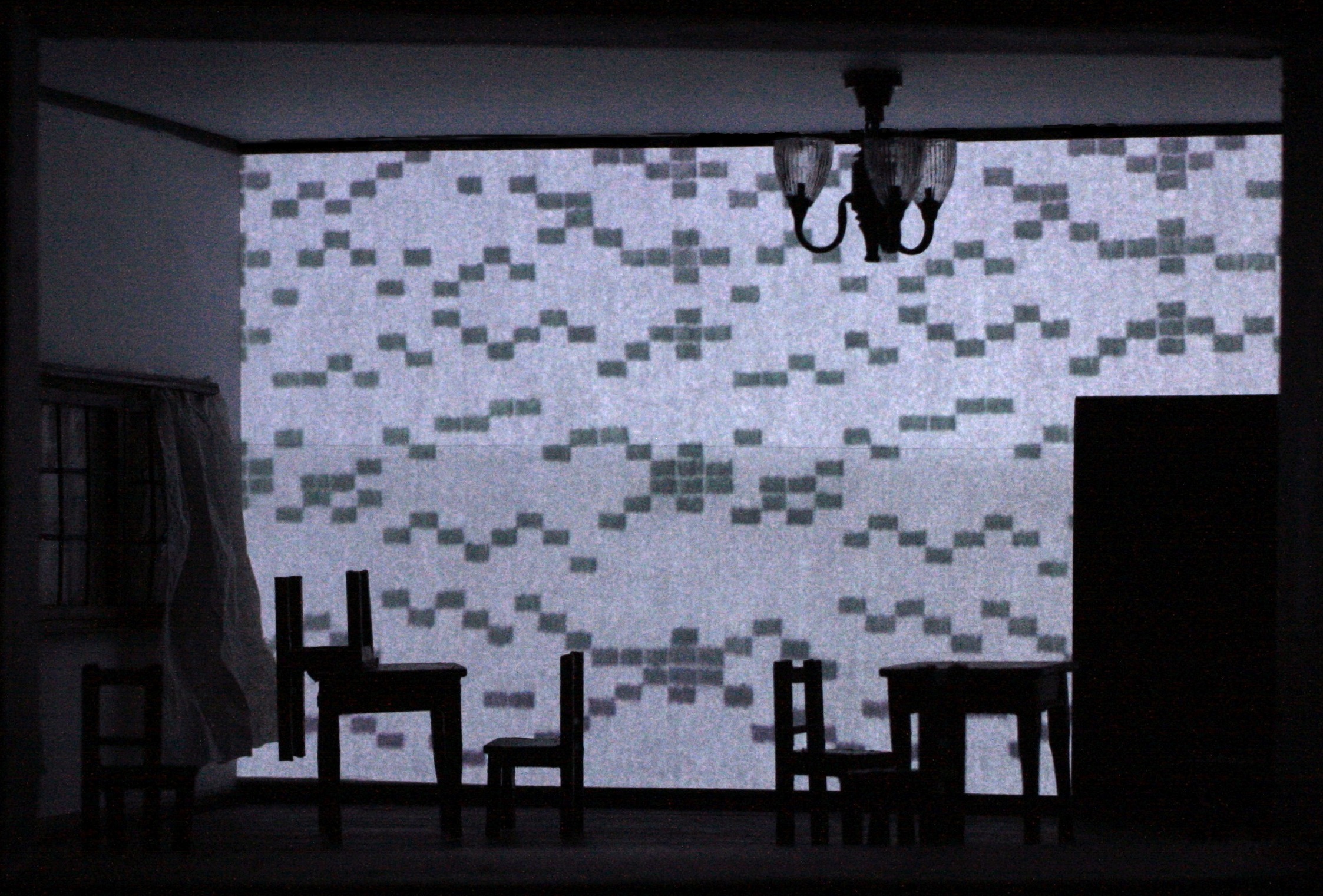
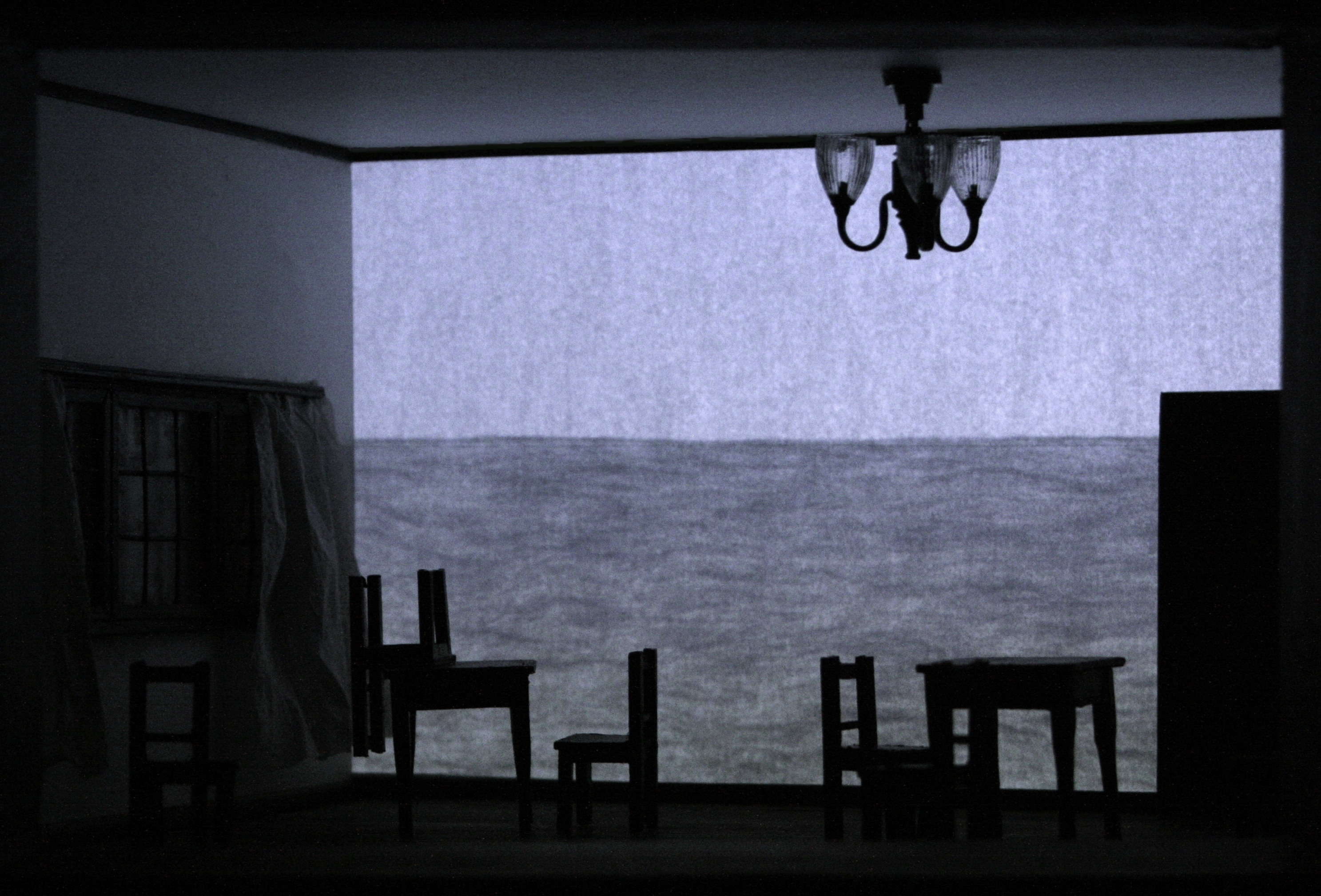
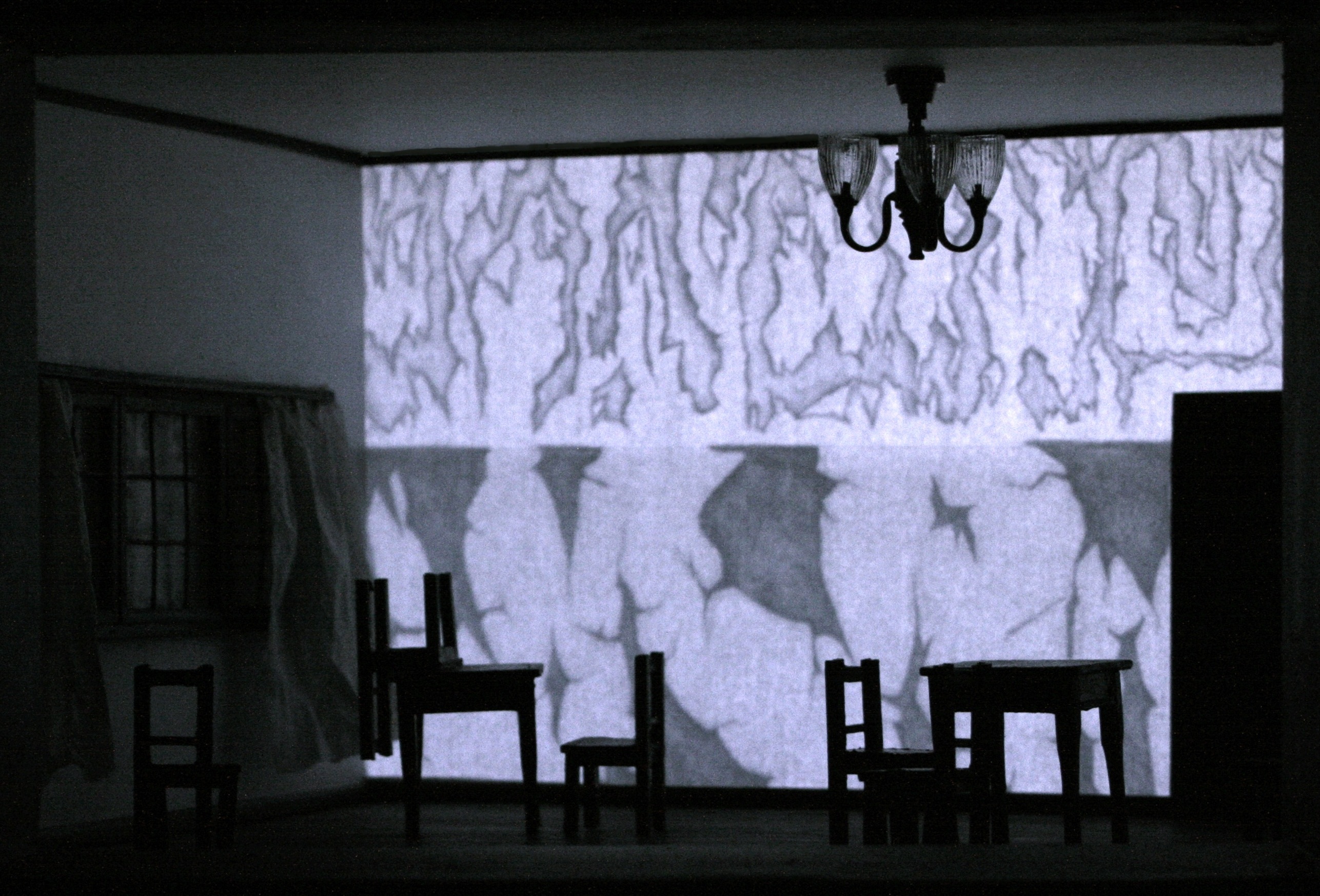
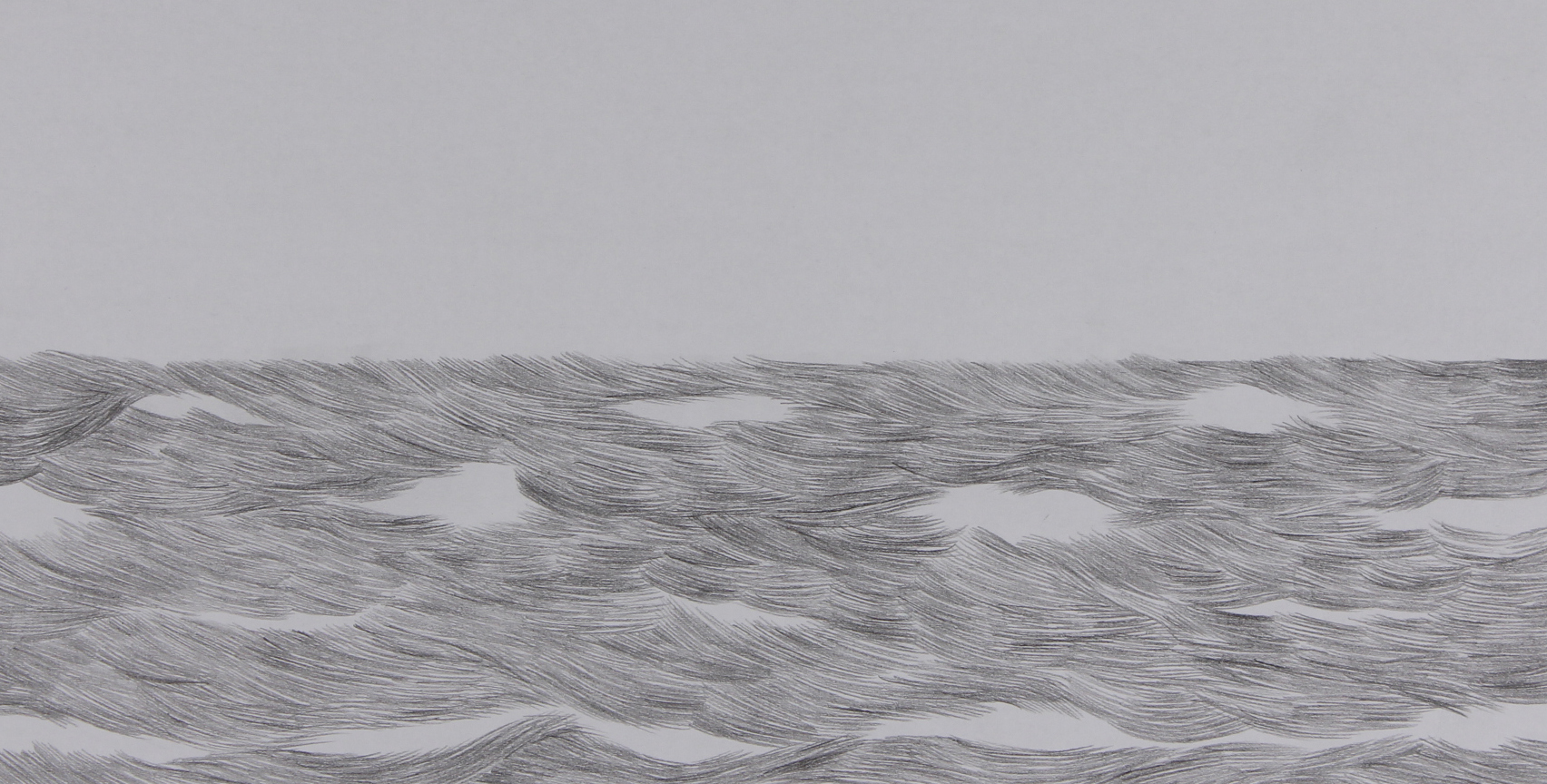
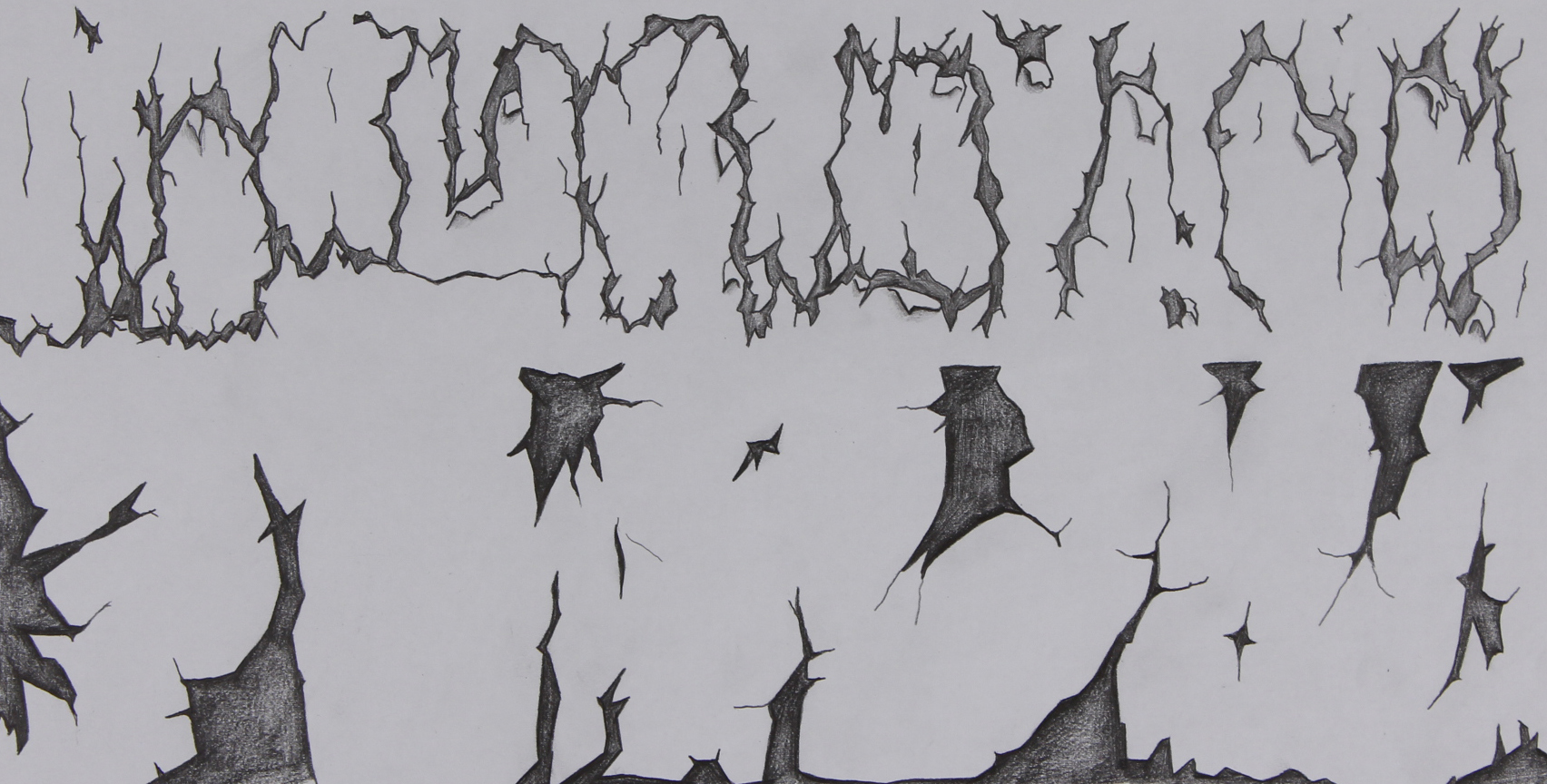
Ein handgezeichneter Animationsfilm wird in dem Raum projiziert. Dieser Film dient für mich als Mittel den Raum zu einer Marionette zu verwandeln. Mit Inspirationen von u.A. den Filmen der 1920’er Jahren, den Avantgardisten des Animationsfilms, den Cinepoémes von Man Ray und den Filmen von Carl Th. Dreyer verändert eine Mischung von abstrakten und konkreteren Zeichnungen die Struktur der Wand und somit auch den Ausdruck des Raumes. Die verschiedenen Raumbilder, die entstehen, erzählen die Geschichte. Statt die Geschichte nach zu verfilmen, erzähle ich die Themen und Atmosphären der Oper nur über den Raum. Film und Raum vermischen sich und werden eins – beide vom anderen beeinflusst, und gleichzeitig einander beeinflussend.
Die Zeichnungen sind die Fäden meiner Marionettenpuppe. Mit ihnen kann ich die Bewegungen und Veränderungen des Raumes steuern und die Geschichte ohne Schauspieler und Musik erzählen. Gleichzeitig dienen die Zeichnungen auf der Wand auch als eine Art Schleier, die durch ihre Manipulation von der Wand und der grotesken und unnatürlichen Beleuchtung von den Objekten den wirklichen Raum verbergen und verstecken.
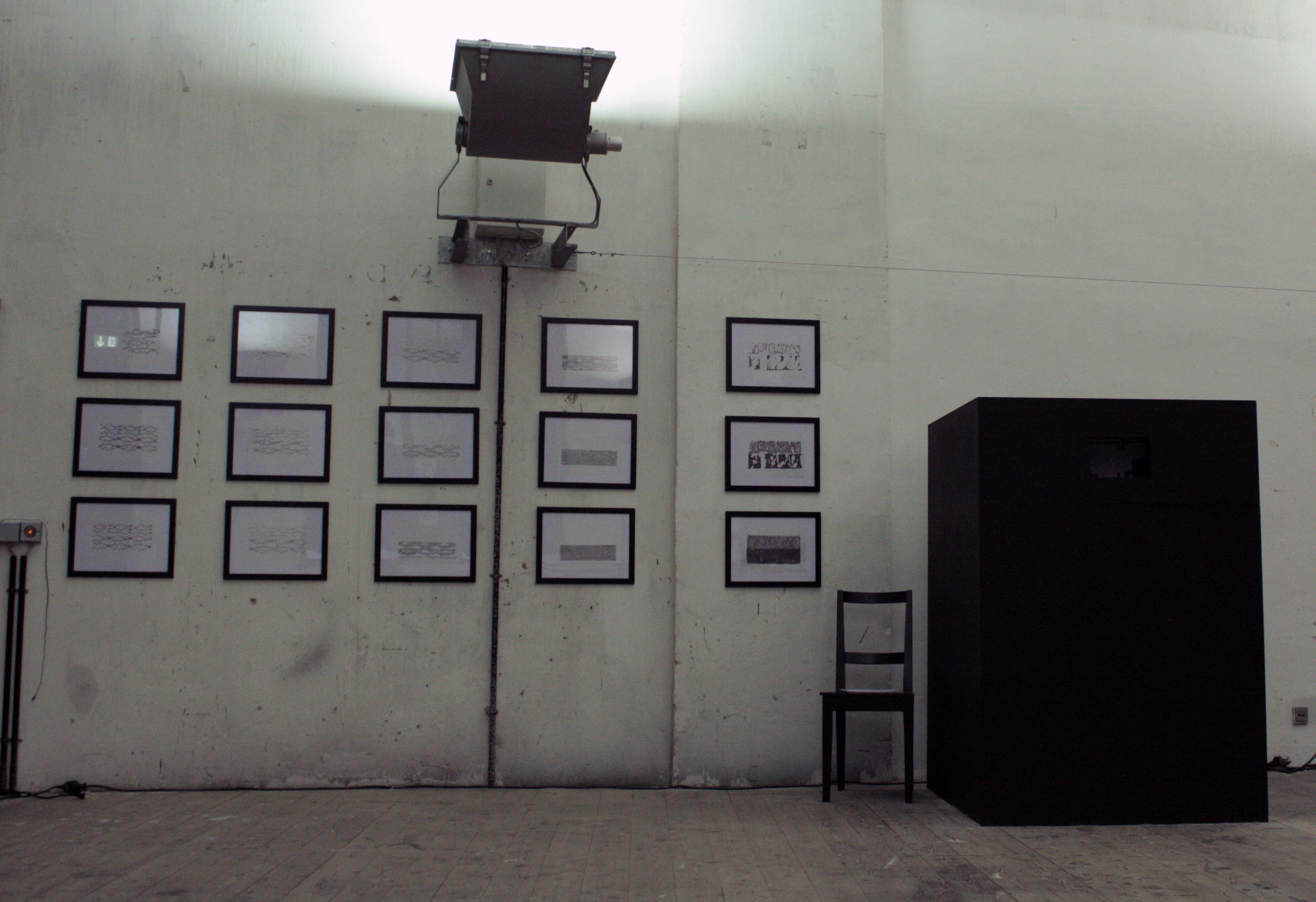
Die Geschichte wird in einem kleinen Modell (Maßstab 1:20) erzählt. In der Arbeit eines Bühnenbildners dient das Modell oft nur dem Zweck Ideen zu entwickeln und zu vermitteln. Die kleinen Modelle haben aber genau wegen ihrer Größe eine sehr hohe Intensität in ihrem Ausdruck. Als Zuschauer ist man nah an einem Raum und kann als Außenstehender alles auf einmal betrachten. Gleichzeitig hat man das Gefühl, in dem Raum zu verschwinden.
Umgeben von einer großen, schwarzen Box erscheint das Modell noch kleiner, fast bis ins Unheimliche Groteske: eine kleine stille Welt, die eine Geschichte erzählt.
In this project, I have combined the theories of Edward Gordon Craig – in particular his theories of puppetry – with the trends and developments of the 1900’s – 1920’s.
As a base for my studies and work with these theories and themes I chose the operaminúte “The Poor Sailor” (Orig. Le Pauvre Matelot) from 1927. The music is composed by Darius Milhaud and the libretto is written by Jean Cocteau. This opera is in my opinion very interessting and poetic, with its tragic plot, the accurate phrasing and the very concentrated story line, all combined with a remarkable tranquility and quietness. Furthermore I found the opera very fitting for my work because of its short form.
Instead of staging the opera as a classic opera with music and singers, I chose to work with the space as the only narrating figure. As Craig, I did not want any actors to influence the room nor did I want any music. And so the room becomes the sole participant. A spatial puppet, that moves and transforms. However, not a puppet in its classic sense, that is moved by strings, but a puppet, that moves on the premises of the room: structures, movements and transformations, that takes place with and within the room.
A hand drawn animated film is projected into the room. This film serves as a mean for me to transform the room into a puppet. Drawing inspiration from i.a. the movies of the 1920’s; the avant-garde- and the experimental movement of animated movies, the cinepoémes of Man Ray and the films of Carl Th. Dreyer, a combination of abstract and concrete drawings transforms the wall, and thereby also the expression of the room. The variations of the room, that emerge from the development of the animation, narrates the story. Instead of retelling the the story in the film, the themes and atmospheres of the opera is told solely through the room. Film and room blend together and become one – both affected by the other and at the same time both affecting each other.
The drawings are the strings of my puppet. With my drawings I can control the movements and transformations of the room and tell the story without actors or music. At the same time the drawings on the wall serve as a sort of veil, that through its manipulation of the wall and the grotesque and unnatural lighting of the objects covers and conceals the actual room.
The story is told in a small model (scale 1:20). In the work of a stage designer the model often serves only as a mean for developing and communicating ideas. The small models, however, holds a high intensity in their expression, exactly because of their size. As a spectator you are close to the room, but at the same time you are as an observer able to behold the whole image at one glance. While observing the room and the transformations, you slowly develop a feeling of vanishing into it, becoming both spectator and part of the small world before you.
Surrounded by a big, black box, the model appears even smaller, almost uncanning and grotesque: A small, quiet world, that tells a story.
Animation:
Drawings:
Exhibition:
Dank an Anna Viebrock, Daniela Kerck, Thomas Renoldner, Anna Christin Feilkas, Carla Sophia Greubel, Silvia Feilkas de Matos, und an meiner Familie: Christian, Ingrid und Jørgen.
 Eva Laut Ebbesen